


Pinotage


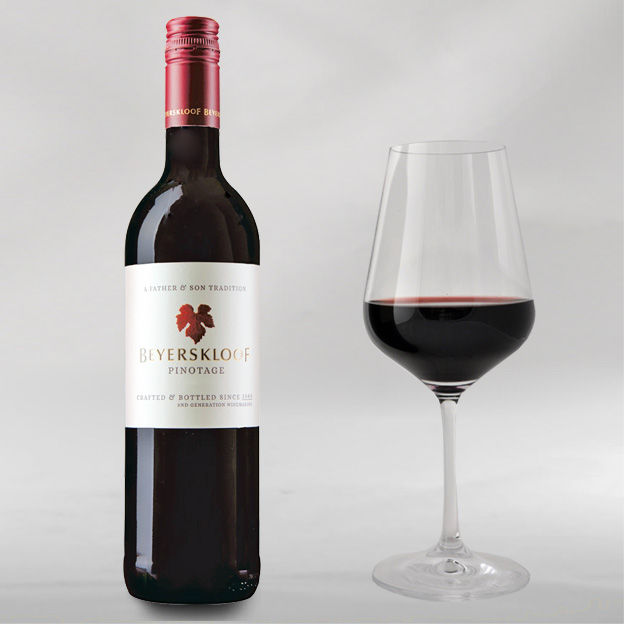




Pinotage is South Africa's best-known indigenous grape variety and a symbol of the country's winemaking tradition. It was created in 1925 by Abraham Izak Perold, a professor of viticulture at Stellenbosch University. Pinotage is a cross between Pinot Noir and Cinsault, which at the time was known in South Africa as “Hermitage”, explaining the name “Pinotage”. The variety combines the elegance of Pinot Noir with the resilience and productivity of Cinsault.
Perold's aim was to create a grape variety that combined the delicate aromas and elegance of Pinot Noir with the robustness and disease resistance of Cinsault. Pinotage initially attracted little attention after it was created, and it took several decades for the variety to achieve its present importance. It was not until the 1960s that some winemakers began to cultivate Pinotage seriously, and the variety soon gained international attention when wines made from it achieved success in competitions.
Pinotage is characterised by powerful aromas and an often distinctive combination of fruit, smoke and spice. Styles range from light, fruit-driven wines to rich, full-bodied examples with intense, complex aromas. Typical Pinotage notes include dark fruits such as black cherry, plum and blackberry, often accompanied by smoky and earthy tones as well as hints of tobacco, tar, leather or chocolate. Some wines may also show sweet banana or caramel notes, a hallmark of certain Pinotage styles. Pinotage is generally full-bodied, with soft to firm tannins and moderate acidity. The wines are known for their powerful and often striking aromas, making Pinotage a distinctive and sometimes polarising red wine.
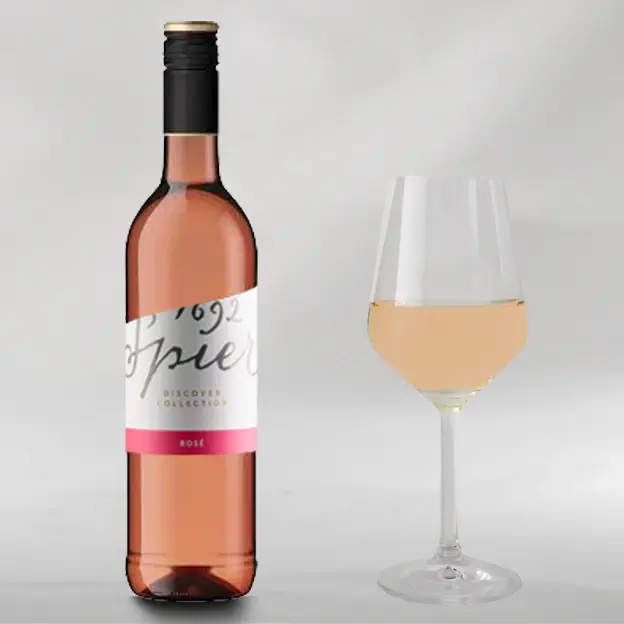
Pinotage is a versatile grape variety produced in a range of styles. Alongside powerful, tannic red wines, there are lighter Pinotages that are often ready to drink earlier and offer fresh, fruity aromas. In recent years, some winemakers have also experimented with Pinotage Rosé and Pinotage sparkling wine, highlighting the variety's versatility. One particularly interesting development is the production of Cape Blends, a characteristically South African red blend in which Pinotage is often combined with Cabernet Sauvignon, Merlot or Shiraz to add complexity and structure.
Despite its importance, Pinotage has not always received only positive reviews. In the past, some wines made from the variety were described as excessively harsh, unbalanced or even faulty. This was often due to excessive yields or inadequate winemaking techniques. However, the modern South African wine industry has made enormous progress, and today there are many outstanding Pinotage wines that demonstrate the variety's potential. Despite its early challenges, Pinotage has developed into one of South Africa's most important grape varieties and is especially popular among lovers of distinctive, powerful wines. The variety has a loyal following and is increasingly recognised on the international market. South Africa remains the heart of Pinotage production, although the variety is also grown on a small scale in countries such as New Zealand and the United States.
Pinotage is a versatile partner for food, particularly hearty and robust dishes. The wines pair exceptionally well with grilled meats, especially lamb, beef and game. Pinotage also works very well with South African dishes such as braai, or barbecue, and bobotie, a spiced minced-meat casserole. Thanks to its fruity and spicy aromas, it is also an interesting choice with spicy Asian dishes or mature cheese.
Pinotage is a grape variety that has left a lasting mark on South Africa's wine scene. It combines the challenges of viticulture with a drive for innovation and quality and has become a symbol of South African winemaking. Pinotage offers wine enthusiasts a distinctive experience ranging from intense aromas to complex, structured wines.